

Maccheroni con Speck e Pistacchio A Sicilian Pasta Story with Recipe Tips
A bowl of maccheroni with speck and pistachio tells a bigger story than its short ingredient list suggests. It brings together smoky mountain-cured pork from Italy’s north, sweet green pistachios from Sicily, and the kind of pasta shape built to catch every bit of cream, oil, and toasted nut.
Maccheroni con speck e pistacchio is not one of those ancient dishes tied to a single village festival or a medieval cookbook. Its charm is more modern. It reflects the way Italian cooking keeps moving while still respecting place, season, and craft. In one skillet, it connects Alto Adige, Sicily, and the everyday Italian love for making a satisfying pasta from just a few strong ingredients.

The Italian story behind maccheroni with speck and pistachio
At first glance, speck and pistachio seem like unlikely partners. Speck belongs to the cool Alpine air of northern Italy, especially Alto Adige. Pistachios speak of Sicily, sun-baked slopes, and pastry shops filled with cannoli, gelato, and nut-studded cookies.
Yet Italian cooking has always welcomed these kinds of meetings. Regional cuisines remain distinct, but ingredients travel. A cook in Palermo may use northern butter or cured meats. A chef in Milan may reach for Sicilian citrus, capers, or pistachios. This movement has shaped many dishes that feel traditional even when they are relatively new.
The Sicilian side of this pasta comes mainly through the pistachio. Sicily is famous for pistachios grown around Bronte, near Mount Etna. The nuts are prized for their bright green color, rich aroma, and sweet, almost resinous flavor. They appear in both sweet and savory cooking, from pastries to pestos to crusts for fish and meat.
Speck brings a very different identity. Unlike prosciutto crudo, which is usually air-cured and unsmoked, speck is lightly smoked and cured with herbs and spices. It has a savory depth that can season a whole dish when cut into strips and warmed in a pan.
Maccheroni sits comfortably between the two. The word can refer to different short pasta shapes in Italy, not just the elbow macaroni familiar in the United States. For this dish, ridged tubes, short curls, or other sturdy shapes work best because they hold bits of pistachio and speck.
The result is a plate that feels especially Italian because it does not hide its ingredients. Each one keeps its voice.
Why this dish matters in regional Italian cooking
Italy’s regional food culture often gets described as strict, and sometimes it is. Certain pastas have expected sauces. Certain cheeses belong in certain regions. Some combinations can invite strong opinions at the table.
But Italian cooking is also practical. It values what tastes good, what is available, and what honors the ingredient. That is where maccheroni with speck and pistachio fits.
In Sicily, pistachio pesto has become a beloved savory preparation. You can make it with olive oil, cheese, garlic, and sometimes basil or lemon. It coats pasta beautifully because pistachios release natural oils when crushed or blended. The sauce feels luxurious without needing much cream.
Speck, by contrast, adds salt, smoke, and chew. In a Sicilian-leaning dish, it plays a role similar to pancetta or guanciale, but with a smoky edge. It gives the pasta a heartier feel and balances the nuts' sweetness.
This kind of recipe also speaks to modern Italian restaurant cooking. Many trattorias and home cooks enjoy pairing pistachio with cured meats, shrimp, mortadella, burrata, or mushrooms. Pistachio has moved far beyond dessert, and this dish is one of the clearest examples.
The magic of the dish is contrast: smoky and sweet, creamy and crisp, northern and southern, all tied together by pasta water.

The key ingredients and how they work together
This pasta works because no ingredient feels like filler. Each one builds the sauce.
Maccheroni

Choose a short pasta with texture. Ridged maccheroni, mezze maniche, rigatoni, casarecce, or fusilli can all work. Smooth pasta will taste fine, but ridges and curves help catch the tiny pieces of pistachio and speck.
Pistachios
Use unsalted pistachios if possible. Salted pistachios can work in a pinch, but they make seasoning harder to control. For the best color and flavor, look for bright green pistachios rather than dull brown ones.
Pistachios bring sweetness, nuttiness, and body. When blended with olive oil and pasta water, they create a naturally creamy sauce.
Speck

Speck gives the dish its smoky backbone. Cut it into thin strips or small matchsticks. Cook briefly to release fat and crisp the edges while keeping the center tender.
Avoid cooking it too long. If it dries out and becomes brittle, it loses its pleasant chew.
Cheese

Parmigiano Reggiano is the safest choice for balance. It adds salt and umami without overwhelming the pistachio. Pecorino Romano can also work, but it is sharper and saltier, so use less.
Olive oil and pasta water
These quiet ingredients hold the dish together. Olive oil carries the pistachio flavor. Starchy pasta water loosens the sauce and helps it cling to the pasta.
Cream or no cream

Many modern versions include a splash of cream. It makes the sauce smooth and restaurant-like. A more pistachio-forward version skips cream and relies on nuts, cheese, oil, and pasta water.
The recipe below uses a small amount of cream as an option, not a crutch. The pistachio should still lead.
A detailed recipe for maccheroni with speck and pistachio
This recipe serves 4 as a main course. It lands in the middle ground between rustic Sicilian pistachio pesto and a creamy northern-style pasta.
Ingredients
12 oz maccheroni, rigatoni, mezze maniche, or another short ridged pasta
4 oz speck, sliced and cut into thin strips
1 cup shelled unsalted pistachios, divided
1 small garlic clove
1/2 cup freshly grated Parmigiano Reggiano, plus more for serving
1/4 cup extra-virgin olive oil
1/3 cup heavy cream, optional ( I do not use cream in this dish)
1 tablespoon unsalted butter, optional
1 teaspoon lemon zest
Fine sea salt, to taste
Freshly ground black pepper, to taste
1/2 to 1 cup reserved pasta water
Step-by-step instructions
1. Toast part of the pistachios
Set aside 2 tablespoons of pistachios for finishing. Add the rest to a dry skillet over medium-low heat. Toast for 3 to 5 minutes, shaking the pan often, until fragrant.
Do not let them brown too much. Pistachios can turn bitter if over-toasted.
Transfer them to a plate and let them cool for a few minutes.
2. Make the pistachio paste
Add the toasted pistachios, garlic, Parmigiano Reggiano, olive oil, lemon zest, and a pinch of salt to a food processor. Pulse until the mixture forms a coarse paste.
Add 2 to 3 tablespoons of water if needed to help it move. The texture should look thick and slightly grainy, not perfectly smooth.
Taste it. It should be nutty, savory, and lightly bright from the lemon zest.
3. Cook the pasta
Bring a large pot of water to a boil. Salt it well. Add the maccheroni and cook until just al dente, following the package timing but checking early.
Before draining, reserve at least 1 cup of pasta water. This water is essential for the sauce.
4. Cook the speck
While the pasta cooks, place a large skillet over medium heat. Add the speck strips and cook for 2 to 3 minutes, stirring often.
The goal is gentle crisping, not frying it hard. If the pan seems dry, add a small drizzle of olive oil. If using butter, add it near the end so it melts into the speck fat.
Move a spoonful of crisped speck to a small plate for garnish.
5. Build the sauce
Lower the skillet heat. Add the pistachio paste to the pan with the speck. Stir for 30 seconds to warm it.
Add the cream, if using, and 1/2 cup reserved pasta water. Stir until the sauce loosens and turns glossy.
If skipping cream, add a little extra pasta water and a small drizzle of olive oil. The sauce should look fluid enough to coat pasta, not thick like nut butter.
6. Toss the pasta
Add the drained pasta to the skillet. Toss over low heat for 1 to 2 minutes. Add more pasta water, a splash at a time, until the sauce clings to every piece.
Taste before adding more salt. Speck and cheese already bring plenty.
7. Finish and serve
Chop the reserved pistachios. Serve the pasta warm with the crisped speck, chopped pistachios, more Parmigiano Reggiano, and black pepper.
For a fresher finish, add a little more lemon zest at the table.

Variations that keep the spirit of the dish
Once the basic balance makes sense, the dish is easy to adapt.
Make it more Sicilian
Skip the cream and make the sauce closer to pistachio pesto. Use olive oil, pistachios, Parmigiano, a small amount of garlic, and pasta water. Add lemon zest or a little grated orange zest for a subtle Sicilian accent.
A few torn basil leaves can also work, but they shouldn't dominate.
Add burrata or ricotta
For a richer plate, spoon stracciatella or torn burrata over the finished pasta. The cool dairy softens the speck's smoke and makes the dish feel special.
Fresh ricotta is another good choice. Add small spoonfuls just before serving rather than stirring it fully into the sauce.
Try mortadella instead of speck
Mortadella and pistachio are a classic pairing. Use small cubes or thin ribbons, and warm them gently. The result is rounder, sweeter, and less smoky than the speck version.
Make it vegetarian
Leave out the speck and add sautéed mushrooms. Cremini, oyster, or porcini-style mushrooms bring savory depth. A pinch of smoked paprika can hint at the smokiness of speck without imitating it too strongly.
Add seafood
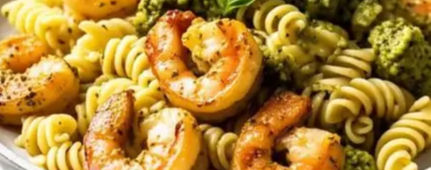
Shrimp pairs beautifully with pistachio. Cook the shrimp quickly in olive oil, remove them from the pan, build the sauce, then return them at the end. In this version, skip the speck and use lemon more generously.
Tips for perfecting the dish
The difference between a good version and a great one often comes down to texture and timing.
Keep the pistachio sauce slightly coarse. A little texture makes the dish feel more alive. A perfectly smooth sauce can taste flat.
Use pasta water in stages. Add a splash, toss, and watch. The sauce should shine and move. If it sits heavily on the pasta, it needs more water.
Do not overcook the speck. Speck should be crisp at the edges but still tender. Cook it too long, and it becomes salty and dry.
Salt with care. Season the pasta water, but the sauce may need less salt than expected because of the cured pork and cheese.
Serve right away. Nut-based sauces thicken as they sit. If the pasta waits too long, loosen it with a splash of hot water and toss again.
Finish with contrast. Chopped pistachios, black pepper, and lemon zest keep the dish from feeling too rich.

What to serve with maccheroni con speck e pistacchio
This is a rich pasta, so the best sides are clean and simple.
A salad with bitter greens, such as arugula, radicchio, or endive, works well. Dress it with lemon juice, olive oil, and a pinch of salt. The bitterness cuts through the fat and smoke.
Roasted vegetables also fit, especially fennel, zucchini, or cauliflower. Keep the seasoning light so the pasta stays the center of the meal.
For wine, choose freshness over heaviness. A crisp Sicilian white, a dry rosé, or a light red with good acidity can all work. The goal is to refresh the palate between bites.
A modern pasta with deep Italian roots
Maccheroni con speck e pistacchio succeeds because it respects contrast. The dish does not come from one fixed ancient recipe, and that is part of its appeal. It shows how Italian cooking can be regional and flexible at the same time.
The pistachio brings Sicily to the bowl. The speck brings the northern mountains. The pasta, with its ridges and chew, makes them feel like they belonged together all along.
Cook it once, as written. Then adjust it to your taste. Make it brighter with lemon, richer with burrata, smokier with extra speck, or more Sicilian by leaving out the cream. The best version is the one where the pasta is glossy, the pistachio tastes fresh, and every bite has a little crunch, a little smoke, and a lot of comfort.
Thank you for visiting my blog. If you find this post valuable and would like to receive similar content in the future, please consider subscribing at www.buoncibo.com. Simply enter your email address in the designated field located at the top or bottom of each page.
If you think others may benefit from this post, I would appreciate your sharing it with your network, as expanding my readership is important to me.
Best regards,
Buon appetito!

Chef John / Giovanni


Comments