

Linguine alle Vongole History Recipe Variations and Wine Pairings
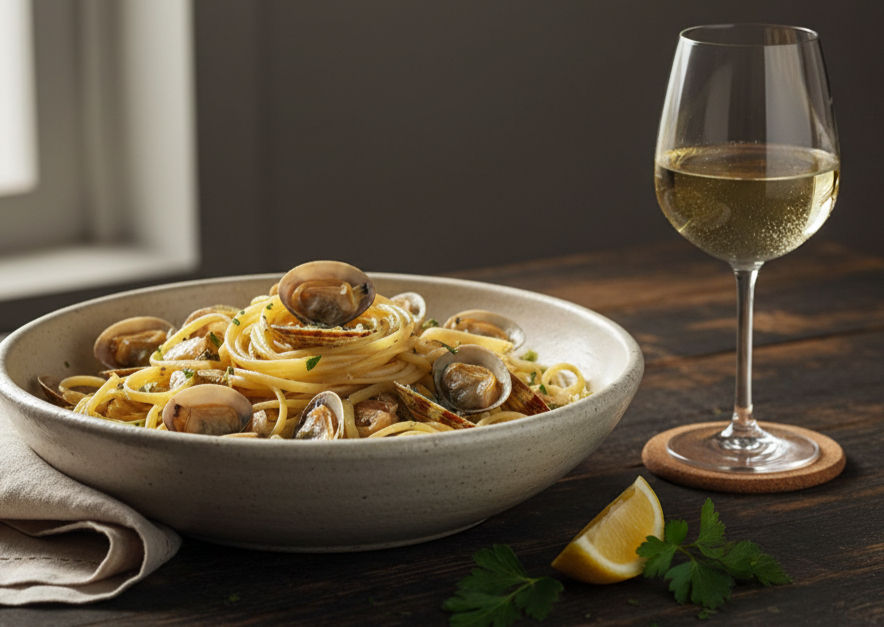
A perfect plate of linguine alle vongole tastes like the coast: briny clams, silky pasta, olive oil, garlic, parsley, and just enough white wine to pull everything together. It looks simple, and it is, but simple Italian cooking leaves very little room to hide. The clams must be clean. The pasta must be firm. The sauce must cling, not puddle.
This classic dish rewards attention more than effort. With a few good ingredients and the right timing, linguine with clams can become one of the most satisfying dinners you can cook at home.

The coastal history of linguine alla vongole
Linguine alle vongole comes from southern Italian coastal cooking traditions, especially Campania and Naples. The dish grew out of a practical idea: combine pasta, local shellfish, olive oil, garlic, and herbs to make a meal that tastes rich without many ingredients.
Naples has long been tied to both pasta and seafood. Nearby Gragnano became famous for dried pasta, helped by its climate and long history of pasta making. Along the coast, small clams were easy to find, quick to cook, and full of natural salinity. When those two worlds met, the result was one of Italy’s great seafood pastas.
No single inventor or clear origin date marks the dish. It belongs more to home kitchens, seaside restaurants, and fishing communities than to one chef. That is part of its charm. It feels both special and everyday.
In Italy, the dish often appears with spaghetti, but linguine is a natural match. Its flat, narrow shape catches the light sauce while still letting the clams remain the star. In Italian-American cooking, linguine with clam sauce became especially popular, often showing up for Christmas Eve meals and seafood-focused family dinners.
The classic version is usually bianco, made without tomatoes. A rosso version with tomatoes also exists, and both have loyal fans. At its heart, the dish is about balance: sea, garlic, oil, pasta water, wine, and freshness.

How to make linguine alle vongole at home
The best version starts before the pan hits the stove. Buy the freshest clams you can, use good dried pasta, and keep the sauce light. This recipe serves 4.
Ingredients
1 pound linguine
2 pounds small fresh clams, such as littlenecks or Manila clams
4 tablespoons extra-virgin olive oil, plus more for finishing
4 garlic cloves, thinly sliced
1/4 teaspoon red pepper flakes, or to taste
3/4 cup dry white wine
1/2 cup chopped fresh parsley
Fine sea salt, for pasta water
Freshly ground black pepper
1 tablespoon unsalted butter, optional
Lemon wedges, optional for serving
Choose clams that smell clean and ocean-like. Avoid any with a strong fishy odor. If a clam shell is cracked or stays open after a gentle tap, discard it.
Step 1. Clean the clams well
Rinse the clams under cold running water. Scrub the shells if they feel gritty.
Place them in a large bowl of cold salted water for 20 to 30 minutes. This helps them release sand. Lift the clams out of the water rather than pouring the bowl through a strainer, since grit can settle at the bottom.
If the clams release a lot of sand, repeat the soak with fresh salted water.
Tip: Clean clams are the difference between a pleasant briny sauce and a gritty one. Do not rush this step.
Step 2. Start the pasta water
Bring a large pot of water to a boil. Salt it well, but not as aggressively as you might for a tomato sauce. The clams will add salt to the finished dish.
Add the linguine and cook it until about 2 minutes shy of al dente. It will finish cooking in the clam sauce.
Before draining, reserve at least 1 cup of pasta water.

Step 3. Build the garlic and wine base
While the pasta cooks, heat the olive oil in a wide skillet or sauté pan over medium heat. Add the sliced garlic and red pepper flakes.
Cook just until the garlic turns fragrant and pale gold. Do not let it brown deeply, since burnt garlic can make the sauce bitter.
Pour in the white wine and let it bubble for about 1 minute.
Step 4. Steam the clams
Add the cleaned clams to the skillet. Cover the pan and cook for about 5 to 7 minutes, shaking the pan once or twice.

The clams should open as they steam. Move the opened clams to a bowl so they don't overcook while the rest finish. Discard any clams that remain closed after cooking.
Once most clams have opened, taste the liquid in the pan. It should be savory, briny, and aromatic. If it seems too salty, use a little more reserved pasta water to soften it.
Step 5. Finish the linguine in the sauce
Add the undercooked linguine to the pan with the clam juices. Toss over medium heat, adding splashes of reserved pasta water as needed.
This step creates the sauce. The starch in the pasta water combines with olive oil and clam juices, coating the linguine in a glossy layer.
Return the clams to the pan. Add parsley, black pepper, and butter if using. Toss gently for another minute.
Taste before adding any extra salt. The clams may provide all you need.
Step 6. Serve right away
Divide the pasta among warm bowls. Drizzle with a little olive oil and add more parsley if desired. Serve with lemon wedges, but use them lightly. Lemon can brighten the dish, but too much can overpower the clams.
Skip the grated cheese. Many Italian seafood pastas do not use cheese because it can cover the delicate flavor of the shellfish.
Tips for better pasta and clams
Small details matter with this dish. The ingredient list is short, so each choice clearly affects the final plate.
Use a wide pan
The clams need room to open, and the pasta needs space to toss with the sauce. A cramped pot makes the dish harder to control.
Cook the pasta less than usual
Pull the linguine early. The final minutes in the sauce help it absorb flavor and release starch.
Keep the garlic gentle
Pale gold garlic tastes sweet and warm. Dark brown garlic tastes sharp.
Do not drown the dish in wine
White wine should lift the sauce, not dominate it. Use a dry bottle you would drink, but save your most expensive wine for the glass.
Let pasta water do the work
Reserved pasta water is the hidden tool. Add it a little at a time until the sauce looks glossy and lightly creamy, even without cream.
Serve fast
Linguine alle vongole waits for no one. The pasta keeps absorbing liquid as it sits, and clams can toughen if held too long.
The goal is not a heavy sauce. The goal is pasta lightly coated with clam juices, olive oil, garlic, wine, and starch.
Regional variations across Italy
Linguine alla vongole changes from coast to coast. The core remains the same, but local habits shape the final dish.
Naples and Campania favor the classic white version
The Campanian style is often served in bianco, with olive oil, garlic, parsley, white wine, and clams. Spaghetti may be more traditional than linguine, but both work beautifully.
Keep the focus on the clam liquor. If you use tomatoes at all, keep them minimal. The flavor should be clean and mineral, with enough chili heat to wake up the palate.
The red version adds tomato sweetness

The rosso version includes fresh tomatoes, cherry tomatoes, or a small amount of tomato passata. This style gives the dish more body and a touch of sweetness.
A good red version still tastes like clams. The tomatoes should support the seafood, not turn the dish into marinara with clams added at the end.
The Adriatic coast uses local shellfish and a lighter hand
Along parts of the Adriatic, cooks may use local varieties of small clams and keep the preparation very lean. Olive oil, garlic, parsley, and clam juices often carry the dish.
Some versions use little or no wine, relying on the clams themselves for depth.
Italian-American versions can be richer
In the United States, linguine with clam sauce often appears in two familiar forms: white clam sauce and red clam sauce. Some versions use canned clams, bottled clam juice, extra garlic, butter, or more sauce than an Italian coastal version.
These versions can be delicious on their own. For a weeknight meal, canned clams are useful. For the cleanest, most classic flavor, fresh clams make the biggest difference.

The best wine pairings for linguine alla vongole
Wine pairing for this dish follows a simple rule: choose crisp, dry, mineral whites that echo the sea and cut through the olive oil. Avoid heavy oak, high alcohol, or strong sweetness.
Italian white wines are the natural match
Falanghina
A classic choice from Campania. Falanghina often brings citrus, almond, and mineral notes that pair beautifully with the dish.
Greco di Tufo
This wine has more structure and a stony character. It works well with dishes that have extra garlic, chili, or a richer olive oil finish.
Fiano di Avellino
Fiano can be fuller and more textured, with nutty and floral notes. Pair it with a slightly richer version, especially one finished with a small knob of butter.
Vermentino
Bright, salty, and fresh, Vermentino is excellent with clams. Look to Sardinia, Liguria, or Tuscany for strong examples.
Verdicchio
This Adriatic white brings citrus, herbs, and a light, bitter-almond edge. It works especially well with parsley and garlic.
Other crisp whites also work
If Italian wine is not available, reach for wines with acidity and a clean finish.
Good options include:
Muscadet from France
Albariño from Spain
Dry Pinot Grigio
Unoaked Sauvignon Blanc
Dry sparkling wine, such as Brut Franciacorta, Cava, or Champagne
Sparkling wine is especially good with pasta served with fried zucchini, calamari, or a simple green salad. The bubbles refresh the palate between bites.
What to avoid
Skip big, buttery Chardonnay. It can clash with the briny clams. Avoid sweet wines, which can make the garlic taste harsh. Red wine is usually too tannic, though a very light, chilled red can work with a tomato-based rosso version if you prefer red.
Serve white wine well chilled, but not icy cold. Too much cold can mute aroma and flatten the pairing.
A simple dish that rewards care
Linguine alla vongole proves how much flavor can come from a short list of ingredients. Fresh clams bring the sea. Garlic and olive oil add warmth. White wine gives lift. Pasta water turns everything into a sauce that feels effortless when done well.
Start with clean clams, pull the pasta early, and finish it in the pan. Keep the sauce light and taste before salting. Once that rhythm feels natural, the dish becomes easy to repeat and adapt.
Serve it hot, pour a crisp white wine, and let the clams do what they have done for generations along Italy’s coast: make a humble bowl of pasta feel like a seaside meal.
Thank you for visiting my blog. If you find this post valuable and would like to receive similar content in the future, please consider subscribing at www.buoncibo.com. Simply enter your email address in the designated field located at the top or bottom of each page.
If you think others may benefit from this post, I would appreciate you sharing it with your network, as expanding my readership is important to me.
Best regards,

Buon appetito!
Chef John / Giovanni


Comments