

From Vineyard to Table: The Story of Italian Grape Harvest and Wine Making
A bunch of grapes on an Italian vine can tell you almost everything about the place it comes from. The sun, the slope, the soil, the sea breeze, the cool mountain air, and the hands that pick it all leave a mark. By the time those grapes reach a table, either in a bowl or in a glass, they carry a story that began months before harvest.
Italy grows grapes in nearly every region, from Alpine valleys to volcanic islands. Some become fresh table grapes, crisp and sweet. Others become wines that speak clearly of their home, such as Sangiovese from Tuscany, Nebbiolo from Piedmont, Nero d’Avola from Sicily, Glera from Veneto, and Primitivo from Puglia. The journey from vineyard to table is practical, seasonal, and deeply cultural.

The Italian grape harvest, or vendemmia, is more than farm work. It is a marker of time. It signals the end of summer, the start of autumn, and the moment when families, growers, and winemakers gather the year’s work into baskets, crates, and cellars.

The growing season shapes every grape before harvest
The grape’s journey starts long before anyone reaches for pruning shears or harvest crates. In winter, vines rest. Growers prune them back, choosing which canes and buds will carry the next crop. This quiet work affects how much fruit the vine produces and how evenly it ripens.
Spring brings budbreak. Tiny green shoots appear, tender and exposed. A cold snap can damage them, so growers watch the weather closely. As the season moves on, flowers appear and turn into small berries. The vine shifts from leaf growth to fruit development.
By midsummer, the grapes begin veraison, the stage when berries soften and change color. Red grapes move from green to pink, then purple or blue-black. White grapes become translucent, golden, or pale green. Sugar rises. Acidity falls. Flavors deepen.
No two vineyard sites ripen in the same way. A slope in Chianti may warm quickly during the day and cool at night. A vineyard near Mount Etna may receive strong sun but also mountain freshness. Coastal vineyards in Sicily, Sardinia, or Liguria often benefit from sea air that helps temper the heat.
Growers look for balance, not just sweetness. They taste the skins, seeds, and pulp. They test sugar and acidity. They check weather forecasts. One more week on the vine can bring richer flavor, but it can also invite rain, rot, or overripe fruit. Harvest timing is one of the year's most important choices.
For table grapes, the goal is immediate pleasure: sweetness, firmness, thin skins, and an attractive bunch. For wine grapes, the goal depends on the wine. Grapes for sparkling wines are often picked earlier to preserve acidity. Grapes for fuller reds may stay longer to build color, tannin, and depth.
The vendemmia blends old customs with modern skill
In many Italian regions, harvest runs from late August into October, depending on the grape, altitude, and weather. Southern areas often begin earlier. Cooler northern vineyards may wait longer. The rhythm changes year by year, which is part of what keeps viticulture both demanding and alive.
Traditional hand harvesting remains common, especially for high-quality wines, steep vineyards, fragile bunches, and grapes that need careful selection. Pickers move row by row with small knives or shears, placing bunches into crates. Smaller containers help prevent crushing, which can start unwanted fermentation before the grapes reach the winery.
Hand picking has clear advantages. Workers can leave behind underripe, damaged, or moldy grapes. They can handle delicate varieties gently. On terraced vineyards in places such as Cinque Terre, Valtellina, or parts of the Amalfi Coast, hand work may be the only realistic option.
It also carries cultural weight. A traditional vendemmia can feel like a community event. Relatives, neighbors, and seasonal workers gather early in the morning. Boots are dusty, fingers are stained with grape juice, and there's often a shared meal afterward. The work is physical, but the sense of occasion is real.

Modern techniques now work alongside these older methods. Mechanical harvesters can shake berries from the vine and collect them quickly. They are especially useful on flatter land and in larger vineyards where speed matters. When rain threatens or grapes reach peak ripeness all at once, machines can help bring in fruit before quality declines.
Wineries also use tools that earlier generations did not have. Sorting tables allow workers to remove leaves and imperfect berries. Destemmers separate grapes from stems. Gentle pneumatic presses reduce harsh extraction for white and rosé wines. Temperature-controlled tanks help guide fermentation with more precision.
Some wineries use optical sorting machines that scan berries and reject fruit that doesn't meet set standards. Others rely on gravity-flow cellars to move grapes and juice with less pumping. These methods do not replace farming knowledge. They support it.
The best producers tend to combine both worlds: traditional judgment in the vineyard and modern care in the cellar. A machine can measure sugar, but a grower’s palate still matters. A cooling tank can protect freshness, but it cannot create flavor that the vineyard never gave.
From crushed grapes to Italian tables
Once the grapes arrive at the winery, the path splits. White grapes are usually pressed soon after arrival, separating juice from skins. The juice ferments into wines that may be crisp, floral, mineral, or textured, depending on the grape and region. Think of Pinot Grigio from the north, Verdicchio from Marche, or Fiano from Campania.
Red grapes take a different route. Their skins stay with the juice during fermentation, giving color, tannin, aroma, and structure. Sangiovese can bring cherry, herbs, and lively acidity. Nebbiolo may show rose, tar, red fruit, and firm tannins. Nero d’Avola often gives dark fruit and warmth. These traits come from grape variety, climate, soil, and cellar decisions.
For sparkling wines, the harvest often begins early. Grapes with good acidity make lively wines. In Prosecco country, Glera becomes fresh, aromatic sparkling wine. In Franciacorta and Trento, traditional-method sparkling wines take shape from grapes such as Chardonnay and Pinot Noir.
Some grapes never become wine at all. Italy also grows excellent table grapes, especially in southern regions where warm days help build sweetness. Varieties such as Italia and Victoria are prized for their generous bunches and easy appeal. These grapes may appear at the end of a meal, packed into market stalls, or served with cheese and nuts.
A middle ground also exists between fresh fruit and finished wine. During harvest, grape must, the freshly pressed juice with skins and pulp, finds its way into regional foods. In Tuscany, schiacciata all’uva pairs bread dough with wine grapes, olive oil, and sugar. In other areas, cooked must becomes syrups, sweets, or fillings. Nothing about the harvest goes to waste if a cook knows what to do with it.


At the table, grapes play many roles. Fresh grapes cleanse the palate after rich dishes. Dried grapes add sweetness to savory preparations, especially in Sicilian cooking, where raisins often meet pine nuts, sardines, capers, or saffron. Wine, of course, anchors countless meals, from a simple plate of pasta to a long Sunday lunch.
Italian cuisine values seasonality, and the grape harvest fits that habit perfectly. September and October bring roasted meats, mushrooms, chestnuts, new olive oil, and wines from recent and past harvests. The table shifts from summer brightness to autumn comfort.
Harvest is a cultural season, not just a farm task
The vendemmia has long held a place in Italian rural life because grapes are tied to celebration, income, hospitality, and identity. In many towns, harvest festivals still fill the calendar with tastings, parades, markets, music, and shared meals. These events vary by region, but they often honor the same idea: a successful harvest deserves gratitude.
Wine regions build much of their identity around grape varieties and local methods. Tuscany has Sangiovese. Piedmont has Nebbiolo and Barbera. Veneto has Glera, Corvina, and Garganega. Sicily has Nero d’Avola, Frappato, Catarratto, and Grillo. Puglia has Primitivo and Negroamaro. These grapes are not just agricultural products. They help define local food, festivals, and everyday habits.
Harvest also preserves memory. Many Italians can recall childhood days spent in a family vineyard, even if the vineyard was small and not commercial. Children carried light baskets. Grandparents sorted fruit. Someone prepared lunch. The details differ, but the pattern repeats: work first, then food, then talk.
That connection explains why Italian wine often makes the most sense beside food. It grew out of a table culture. Acidity, tannin, bitterness, sweetness, and aroma all meet dishes built from local ingredients. Chianti with tomato-based pasta, Barolo with rich meat dishes, Soave with seafood, Lambrusco with cured meats, and Marsala in desserts all show how grapes and cuisine grew together.
The harvest is the moment when a vineyard stops being a promise and becomes part of the table.
Modern Italy has changed, of course. Many families no longer farm. Wineries export around the world. Travelers book harvest experiences and tastings. Yet the core feeling remains. Vendemmia is still a season of attention, labor, and appetite.

How to enjoy Italian grapes fresh and in wine
Enjoying Italian grapes does not require expert knowledge. A little attention to freshness, pairing, and season can make the experience better.
When buying fresh grapes, look for bunches with plump berries firmly attached to green or flexible stems. A light powdery bloom on the skin is natural and can signal gentle handling. Avoid grapes that look shriveled, wet, or loose in the bag.
At home, store grapes unwashed in the refrigerator and rinse them just before eating. Serve them slightly cool, not icy cold, so their flavor comes through. For a simple Italian-style plate, pair fresh grapes with:
Aged cheese
Pecorino, Parmigiano-Reggiano, or aged Asiago brings salt and savoriness that balance the fruit.

Cheese and Fruit Plate Nuts
Walnuts, almonds, and hazelnuts add richness and crunch.
Cured meats
Prosciutto or speck works well with sweet grapes, especially as part of an antipasto spread.

Prosciutto Rustic bread
Good bread turns grapes and cheese into a light meal.
Grapes also cook well. Roast them with olive oil, rosemary, and a pinch of salt, then spoon them over ricotta or grilled sausages. Add halved grapes to a salad with bitter greens and shaved cheese. Fold them into focaccia dough for a sweet-savory snack inspired by harvest traditions.
For wine, start with the meal, not the label. Italian wines are often food-friendly because many have bright acidity or firm structure.
Try these simple pairings:
Dish | Italian wine to try | Why it works |
Margherita pizza | Chianti or Barbera | Fresh acidity matches tomato and cuts through cheese |
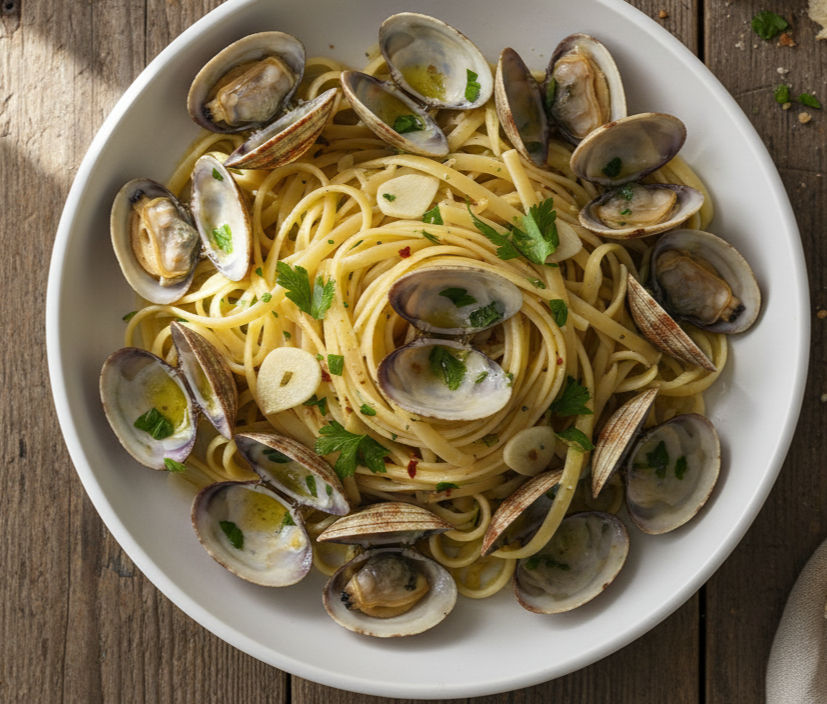
Seafood pasta | Vermentino or Soave | Crisp citrus and mineral notes suit shellfish and herbs |
Mushroom risotto | Nebbiolo or Etna Rosso | Earthy notes match mushrooms without feeling heavy |
Grilled lamb | Cannonau or Primitivo | Ripe fruit and warmth stand up to char and fat |
Almond biscotti | Vin Santo or Moscato d’Asti | Sweetness and aroma turn dessert into a slower ritual |
Serve most white wines chilled, but not freezing cold. About 45°F to 50°F works for many. Lighter reds can take a slight chill, around 55°F to 60°F. Fuller reds do well a little below typical room temperature. If a red tastes too warm or heavy, place it in the refrigerator for 15 minutes and try again.
Glassware matters less than attention. Use a clean glass with enough room to swirl. Smell before tasting. Notice fruit, flowers, herbs, spice, or earth. Take a sip with food, then another without it. Italian wine often changes at the table, which is part of its charm.

The journey from vineyard to table is never just a straight line. It moves through pruning, sun, rain, ripening, picking, sorting, pressing, cooking, pouring, and sharing. Italian grapes remind us that taste is shaped by place and by people. Eat them fresh when they are in season. Drink the wines with food. Pay attention to the region on the label. Each bunch and bottle carries a small piece of Italy’s agricultural heritage, ready to meet the table.
Thank you for visiting my blog. If you find this post valuable and would like to receive similar content in the future, please consider subscribing at www.buoncibo.com. Simply enter your email address in the designated field located at the top or bottom of each page.
If you think others may benefit from this post, I would appreciate your sharing it with your network, as expanding my readership is important to me.
Best regards,

Buon appetito!
Chef John / Giovanni


Comments