

Exploring the Exquisite Flavors of Piemonte Kitchen Delights
- johncrallie
- Jun 3
- 3 min read
Piemonte, a region in northwest Italy, is renowned for its rich culinary heritage. Its kitchen delights offer a unique blend of rustic tradition and refined flavors that have captivated food lovers worldwide. This post explores the distinctive tastes and dishes that define Piemonte’s cuisine, inviting you to discover the authentic flavors that make this region a gastronomic treasure.
The Heart of Piemonte Cuisine
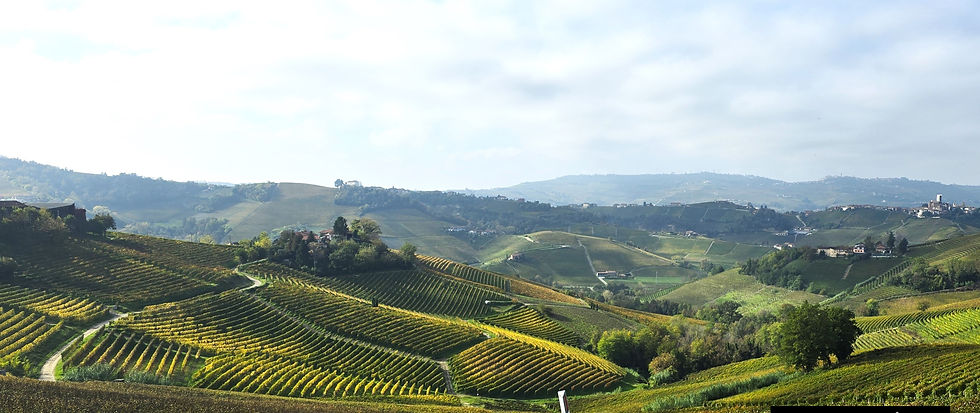
Piemonte’s cuisine reflects its diverse landscape, from the Alpine mountains to fertile plains. The region’s food culture is deeply rooted in local ingredients, seasonal produce, and time-honored recipes passed down through generations. Piemonte is famous for its use of truffles, particularly the prized white truffle from Alba, which adds an earthy aroma and depth to many dishes.
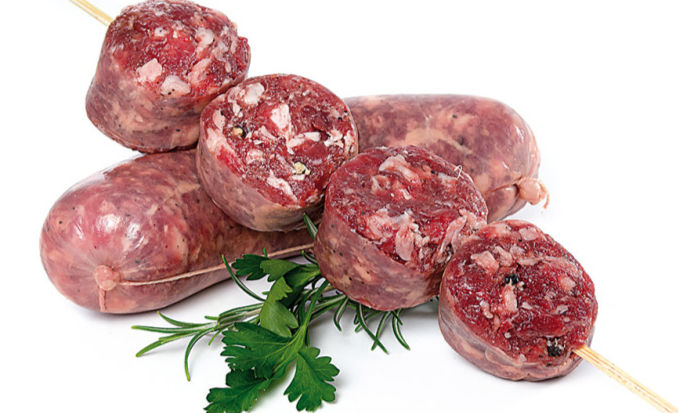
Cheese and cured meats also play a significant role. Varieties like Toma cheese and Salame di Turgia highlight the region’s dedication to quality dairy and charcuterie. Piemonte’s kitchens emphasize slow cooking and simple preparations that enhance natural flavors rather than mask them.
Signature Dishes to Savor
Several dishes stand out as icons of Piemonte’s culinary identity. Each offers a taste of the region’s history and local bounty.
Bagna Cauda
This warm dip, made with garlic, anchovies, olive oil, and butter, is a communal dish traditionally served with raw or cooked vegetables. It’s a perfect example of Piemonte’s love for bold, comforting flavors.

Agnolotti del Plin

Small, hand-pinched pasta pockets filled with roasted meat or vegetables, served with a light butter-and-sage sauce. These delicate parcels showcase the region’s pasta craftsmanship.
Brasato al Barolo
Beef braised slowly in Barolo wine, a robust red from the region. The dish is tender and rich, reflecting Piemonte’s wine culture and mastery of slow-cooked meats.

Than
Tajarin al Tartufo
Thin egg pasta tossed with butter and topped with shaved white truffles. This dish highlights the luxurious ingredient that Piemonte is famous for.

The Role of Piemonte Wines
No exploration of Piemonte’s kitchen delights is complete without mentioning its wines. The region produces some of Italy’s most celebrated wines, including Barolo, Barbaresco, and Barbera. These wines complement the local dishes perfectly, enhancing the dining experience.

Barolo and Barbaresco, both made from Nebbiolo grapes, are known for their complex aromas and firm tannins. They pair beautifully with rich meat dishes like Brasato al Barolo. Meanwhile, Barbera offers a lighter, fruitier profile that suits pasta and vegetable dishes.
Seasonal and Local Ingredients
Piemonte’s chefs prioritize fresh, local ingredients that change with the seasons. Autumn is the time for truffles and mushrooms, while spring brings fresh herbs and vegetables. The region’s fertile soil supports a variety of produce, including hazelnuts, which are used in both savory dishes and desserts.
Hazelnuts from Piemonte are famous worldwide and are a key ingredient in the beloved gianduja chocolate, a smooth blend of chocolate and hazelnut paste. This treat originated in Piemonte and remains a favorite among locals and visitors alike.

Experiencing Piemonte’s Culinary Culture
To truly appreciate Piemonte’s kitchen delights, experiencing the food in its natural setting is invaluable. Local markets, family-run trattorias, and seasonal food festivals offer authentic tastes and insights into the region’s food traditions.
Visitors can join truffle hunts in the Alba countryside or attend wine tastings in the Langhe hills. Cooking classes led by local chefs provide hands-on opportunities to learn traditional recipes and techniques.
Bringing Piemonte Flavors Home
You don’t have to travel to Piemonte to enjoy its flavors. Many ingredients, such as Barolo wine, truffle oil, and hazelnuts, are available internationally. Experimenting with recipes such as Agnolotti del Plin or Brasato al Barolo can bring a taste of Piemonte into your kitchen.
Start with simple dishes like Bagna Cauda to explore the bold flavors, then move on to more complex preparations. Using fresh, high-quality ingredients will help capture the essence of Piemonte’s cuisine.
Thank you for visiting my blog. If you find this post valuable and would like to receive similar content in the future, please consider subscribing at www.buoncibo.com. Simply enter your email address in the designated field located at the top or bottom of each page.
If you think others may benefit from this post, I would appreciate it if you could share it with your network, as expanding my readership is important to me.
Best regards,

Buon appetito!
Chef John / Giovanni


Comments