

Exploring the Rich Flavors of Valle D'Aosta's Mountain Cuisine
- johncrallie
- Jun 26
- 3 min read
Nestled in the Italian Alps, Valle D'Aosta offers more than breathtaking landscapes and outdoor adventures. Its mountain cuisine reflects centuries of tradition shaped by the rugged environment and cultural influences from neighboring France and Switzerland. This region’s food tells a story of survival, community, and celebration through hearty, flavorful dishes that bring warmth to cold mountain days.

The Roots of Valle D'Aosta’s Culinary Tradition
Valle D'Aosta’s cuisine developed in a challenging alpine setting where farming and livestock were limited by the terrain and climate. The local people relied on what the mountains provided: hardy grains, dairy products, cured meats, and wild herbs. Over time, these ingredients combined with French culinary techniques to create a unique food culture.
The emphasis on simple, quality ingredients remain strong today. Many recipes have been passed down through generations, preserving the authentic tastes of the region. This connection to the land and history makes Valle D'Aosta’s mountain cuisine a genuine experience for visitors and locals alike.
Key Ingredients That Define the Cuisine
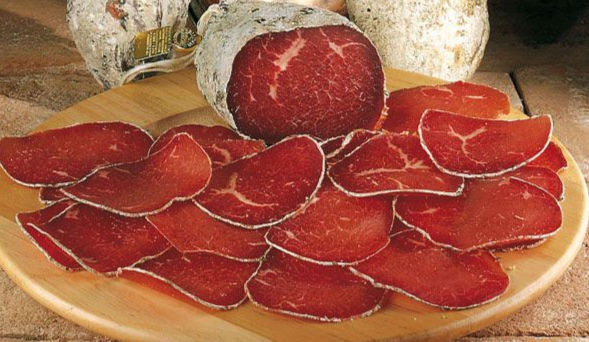
Several ingredients stand out in Valle D'Aosta’s mountain cooking:
Fontina cheese: This semi-soft cheese made from cow’s milk is the star of many dishes. It melts beautifully and has a rich, nutty flavor.
Cured meats: Local specialties include mocetta (air-dried beef or goat) and jambon de Bosses (a smoked ham).
Chestnuts: Once a staple food, chestnuts are used in breads, soups, and desserts.
Polenta: Made from cornmeal, polenta is a versatile side dish often served with stews or melted cheese.
Wild herbs and mushrooms: Foraged from the forests, these add depth and freshness to many recipes.
These ingredients reflect the mountain environment and the resourcefulness of the people who live there.
Signature Dishes to Try in Valle D'Aosta
Exploring the local cuisine means tasting dishes that highlight the region’s flavors and traditions. Here are some must-try specialties:
Fonduta alla Valdostana

This is a rich cheese fondue made with Fontina cheese, milk, eggs, and a splash of white wine. It’s typically served with crusty bread or boiled potatoes. The dish is creamy and comforting, perfect after a day in the cold mountains.
Seupa à la Vapelenentse

A traditional soup combining stale bread, cabbage, Fontina cheese, and broth. This dish showcases the mountain people’s ability to create hearty meals from simple leftovers and local produce.
Carbonade

A slow-cooked beef stew made with red wine, onions, and herbs. The meat becomes tender and infused with deep flavors, often accompanied by polenta or potatoes.
Tegole
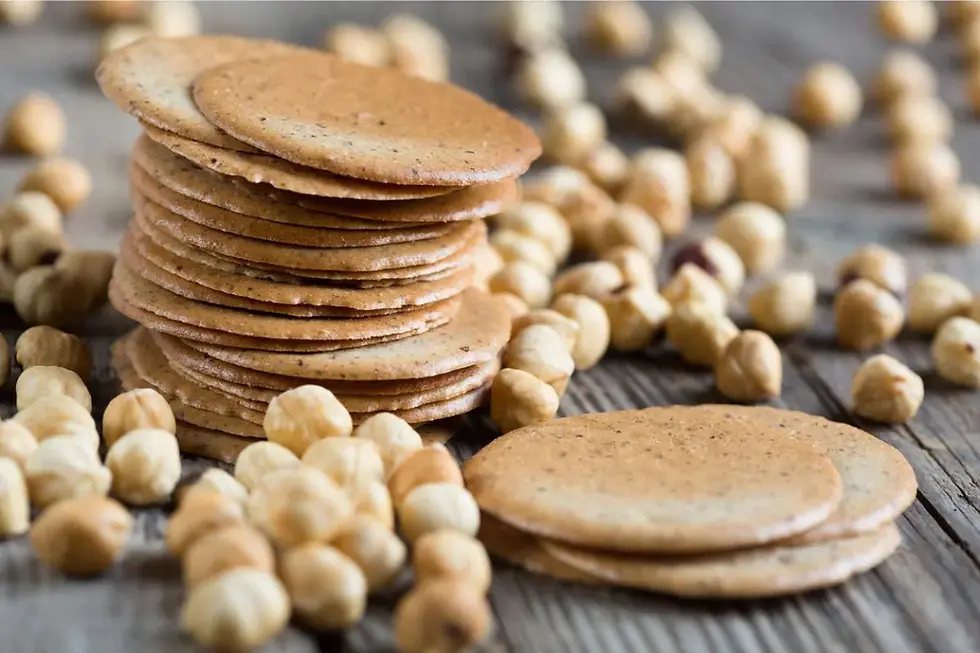
These thin, crispy almond and hazel nut cookies are a popular dessert in Valle D'Aosta. They have a delicate texture and a sweet, nutty taste that pairs well with coffee or dessert wine.
How the Mountain Environment Shapes the Food
The alpine climate and geography influence not only the ingredients but also the cooking methods. Preservation techniques like curing, smoking, and drying were essential to store food through long winters. This is why cured meats, and aged cheeses play such a big role in the cuisine.
Cooking methods tend to be slow and gentle, such as braising and simmering, to tenderize tougher cuts of meat and develop rich flavors. Meals are designed to be filling and warming, providing energy for outdoor work and activities.
Food Festivals and Culinary Experiences
Valle D'Aosta celebrates its food culture with festivals and events that invite visitors to taste and learn about local specialties. For example:
Foire de Saint-Ours: A traditional fair in early February featuring local crafts and food tastings.
Fontina Cheese Festival: Held in various towns, this event showcases the production and uses of the famous cheese.
Chestnut Festivals: Autumn celebrations where chestnut-based dishes and products are highlighted.
Many mountain huts and restaurants offer cooking classes or tasting menus focused on regional dishes. These experiences provide a deeper understanding of the connection between the land, the people, and their food.

Bringing Valle D'Aosta’s Flavors Home
For those who want to recreate the mountain cuisine at home, some ingredients like Fontina cheese and polenta are widely available in specialty stores. Simple recipes like fonduta or polenta with mushrooms can bring a taste of the Alps to your kitchen.
Exploring local markets or Italian delis can also uncover cured meats and chestnut products. Experimenting with these ingredients offers a delicious way to connect with Valle D'Aosta’s culinary heritage.
Thank you for visiting my blog. If you find this post valuable and would like to receive similar content in the future, please consider subscribing at www.buoncibo.com. Simply enter your email address in the designated field located at the top or bottom of each page.
If you feel others may benefit from this post, I would appreciate your sharing it with your network, as expanding my readership is important to me.
Best regards,
Buon appetito!
Chef John / Giovanni


Comments