

Culinary Adventures Awaiting You in Emilia-Romagna
- johncrallie
- May 7
- 3 min read
Emilia-Romagna is a region in northern Italy that food lovers dream about. Known as the birthplace of some of Italy’s most famous dishes and ingredients, it offers a rich culinary experience that goes beyond the plate. From fresh pasta to aged cheeses, and from traditional balsamic vinegar to world-class cured meats, this region invites travelers to explore its flavors in a way few other places can match.
The Heart of Italian Gastronomy
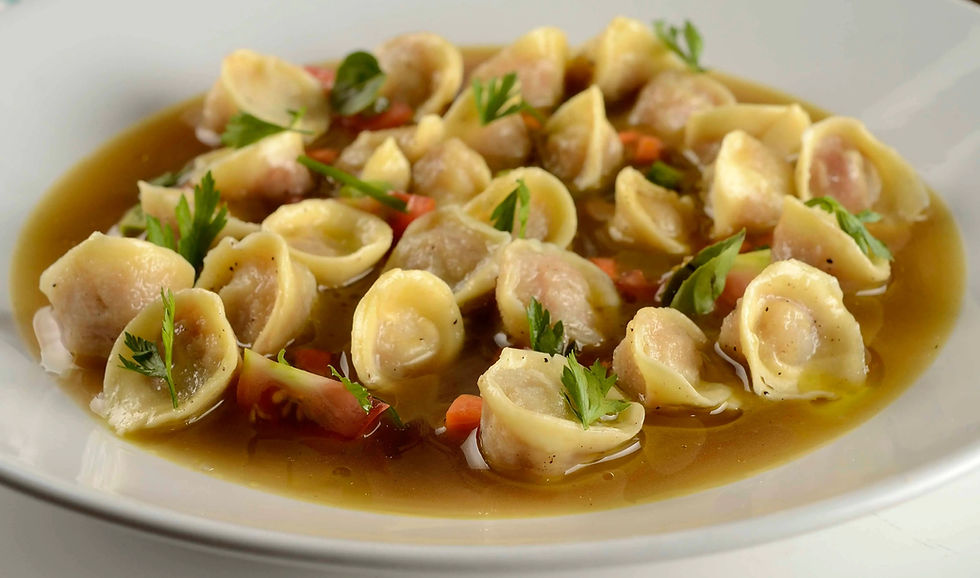
Emilia-Romagna is often called Italy’s food valley. Cities like Bologna, Parma, and Modena are home to iconic foods that have shaped Italian cuisine globally. The region’s fertile plains and mild climate create perfect conditions for growing high-quality ingredients, which local chefs and producers transform into culinary masterpieces.
Visitors can taste authentic tagliatelle al ragù (often known as Bolognese sauce), sample Parmigiano Reggiano cheese straight from the dairies, or sip traditional balsamic vinegar aged for decades. Each dish and product tells a story of centuries-old traditions and craftsmanship.

Must-Try Foods and Where to Find Them
Parmigiano Reggiano Cheese

Parmigiano Reggiano is more than just cheese; it is a symbol of Emilia-Romagna’s dedication to quality. Produced in specific areas under strict regulations, this cheese is aged for at least 12 months, often much longer. Visiting a Parmigiano Reggiano dairy offers insight into the careful process of making this hard cheese, from milking cows to aging wheels in special cellars.
Prosciutto di Parma

Parma’s dry-cured ham is famous worldwide for its delicate flavor and smooth texture. The production process involves curing the ham with sea salt and aging it for at least 12 months. Tours of prosciutto factories allow visitors to see the curing rooms and taste freshly sliced ham paired with local wines.
Traditional Balsamic Vinegar of Modena

Unlike commercial vinegar, traditional balsamic vinegar is made from cooked grape must and aged in wooden barrels for at least 12 years. The result is a thick, sweet, and complex vinegar that enhances many dishes. Tastings in Modena reveal the subtle differences between vinegars aged 12, 18, or even 25 years.
Fresh Pasta and Regional Dishes

Emilia-Romagna is the birthplace of fresh egg pasta. Dishes like tortellini, lasagne verdi, and cappelletti are staples here. Many trattorias and cooking schools offer hands-on experiences where visitors can learn to make pasta from scratch, guided by local chefs.
Food Markets and Culinary Experiences
Exploring local markets is a great way to connect with the region’s food culture. Markets in Bologna, such as Mercato di Mezzo, showcase fresh produce, cheeses, cured meats, and street food. Sampling tigelle (small round breads) or crescentine (fried dough) with local spreads is a must.
Cooking classes provide another way to dive deep into Emilia-Romagna’s cuisine. Many agriturismos (farm stays) and culinary schools offer courses that include visits to farms,

cheese dairies, and vineyards. These experiences allow travelers to understand the origin of ingredients and the techniques behind traditional recipes.
Wine and Beyond
Emilia-Romagna also produces excellent wines, including Lambrusco, a sparkling red wine that pairs well with the region’s rich foods. Wine tours often include visits to vineyards and cellars where guests can taste different varieties and learn about local winemaking traditions.
Besides wine, the region’s craft beer scene is growing, with several microbreweries producing unique brews inspired by local flavors. Sampling these beverages adds another layer to the culinary adventure.
Planning Your Culinary Trip
To make the most of a trip to Emilia-Romagna, consider these tips:
Stay in smaller towns or countryside agriturismos to experience authentic local life and food.
Book food tours and cooking classes in advance, especially during peak tourist seasons.
Visit during food festivals, such as the Parma Ham Festival or the Modena Balsamic Vinegar Festival, to enjoy special tastings and events.
Combine food experiences with cultural visits to historic cities, museums, and markets for a well-rounded trip.
Thank you for visiting my blog. If you find this post valuable and would like to receive similar content in the future, please consider subscribing at www.buoncibo.com. Simply enter your email address in the designated field located at the top or bottom of each page.
If you think others may benefit from this post, I would appreciate your sharing it with your network, as expanding my readership is important to me.
Best regards,
Buon appetito!

Chef John / Giovanni


Comments